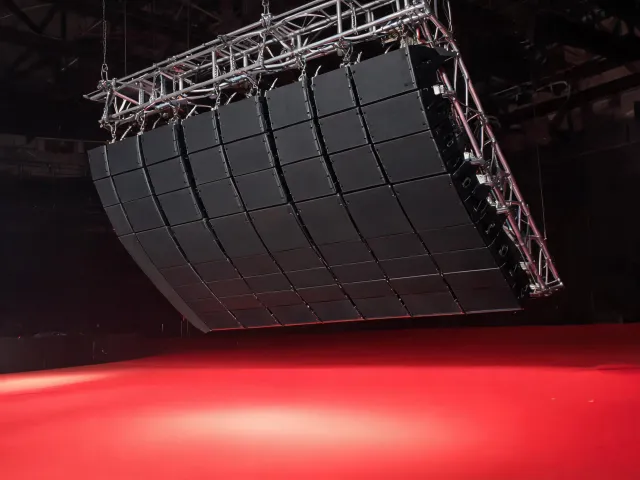
Long throw
Line Array Systems
Shape vertical coverage for deep audience areas while documenting splay, trim height and mechanical limits.
View line arrays →Turn audience geometry, rigging positions, SPL targets and operator workflow into a coherent loudspeaker plan. The starting point is a design brief that installers, production engineers and venue teams can all interrogate.

Each family answers a different coverage problem. Directivity, low-frequency headroom, rigging load and amplifier channel allocation belong in the same conversation.
Shape vertical coverage for deep audience areas while documenting splay, trim height and mechanical limits.
View line arrays →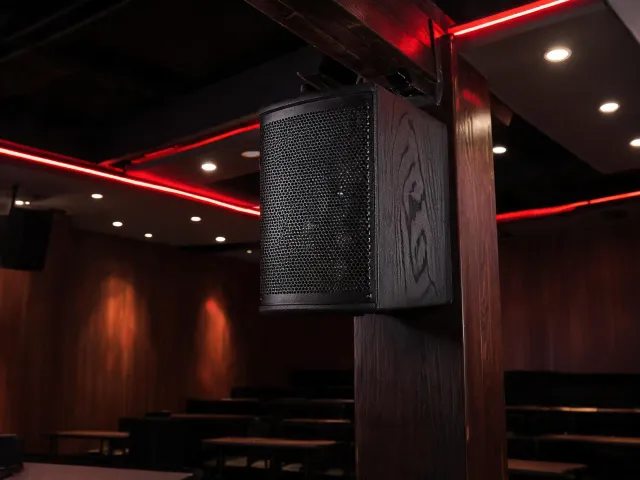
Build fills, delays and distributed zones around sightlines, mounting positions and consistent voicing.
View loudspeakers →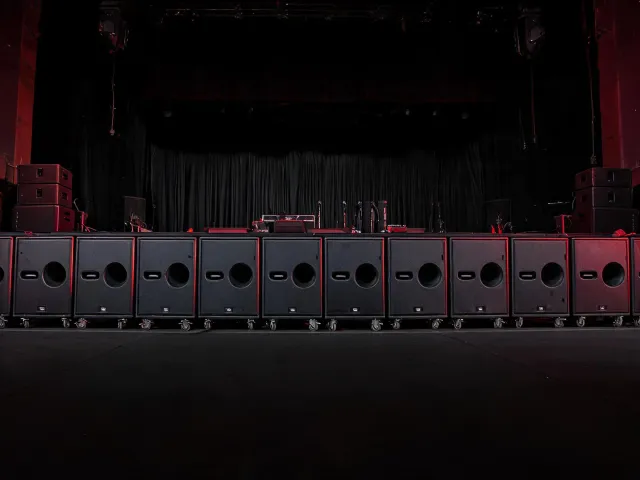
Balance extension and impact against stage spill, footprint, transport weight and array configuration.
View subwoofers →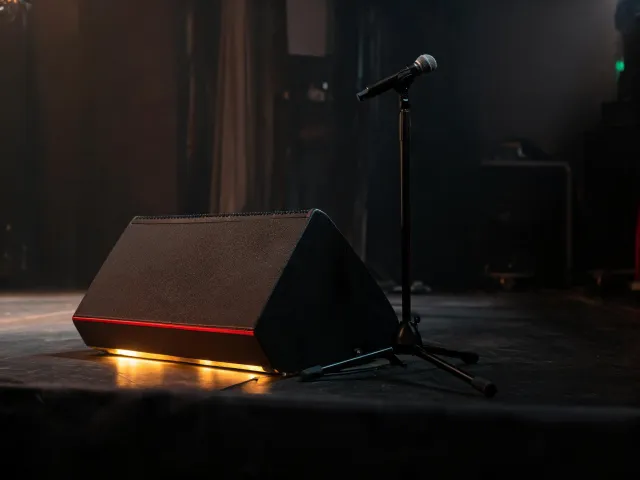
Assess gain before feedback, coverage footprint and placement around microphone and performer positions.
Review categories →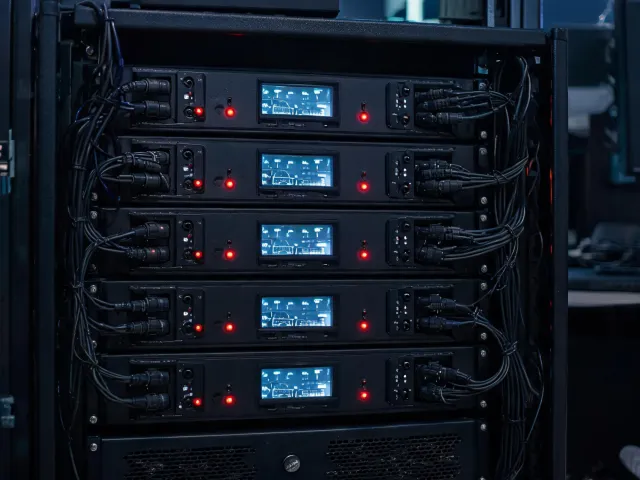
Allocate channels, processing, limiting and monitoring so the loudspeaker plan remains observable in operation.
View control products →Share dimensions, rigging points, program material and the operational handover requirement before naming a series.
A touring rig prioritises repeatable deployment; a fixed venue must respect architecture and everyday staffing; cinema work asks for localisation and seat-to-seat consistency. A system proposal should state which outcome it is optimising.
 TOUR / 01
Truck pack, rigging sequence, prediction files and a known verification routine reduce changes between show days.
 INSTALL / 02
Sightlines, mounting access, balcony shadows and service routes influence the acoustic design as much as nominal output.
 CINEMA / 03
Coverage, screen loss, low-frequency distribution and calibration references must be considered as one playback chain.
The useful thread through the history is not nostalgia; it is the repeated movement from individual enclosures toward prediction, control and more consistent audience coverage.
The company began in London around loudspeaker solutions for the developing live sound market, where output, portability and reliability were practical constraints rather than brochure language.
Large-format touring products reflected the period's demand for scalable systems and repeatable coverage across arenas and festival stages.
Multi-cellular array thinking put optimisation and electronic control at the centre of the design conversation, shifting attention from a nominal loudspeaker angle to a defined audience objective.
The ownership milestone placed Martin Audio alongside a broader group of professional audio brands while retaining a distinct loudspeaker and system-design remit.
Current project practice connects acoustic modelling, mechanical configuration, amplifier processing and on-site measurement into a traceable workflow.
A useful enquiry includes audience dimensions, trim limits, program use, target level, rigging constraints, power availability and the date by which a system must be operational.
Short notes are acceptable; the team can identify the missing engineering inputs.